Jellycat-Inspired Imitations Flooding the Market: How Hong Kong Brands Can Use CRM to Safeguard Brand Trust
.png)
In Hong Kong, Jellycat has become a beloved brand thanks to its soft textures, adorable designs, and strong reputation for quality. But as the brand’s popularity surges, so does the rise of imitation products mimicking its signature features. These counterfeit items not only confuse consumers but also tarnish brand credibility.
For Hong Kong-based brands, leveraging a Customer Relationship Management (CRM) system has become a strategic tool to protect brand integrity and deepen customer engagement.
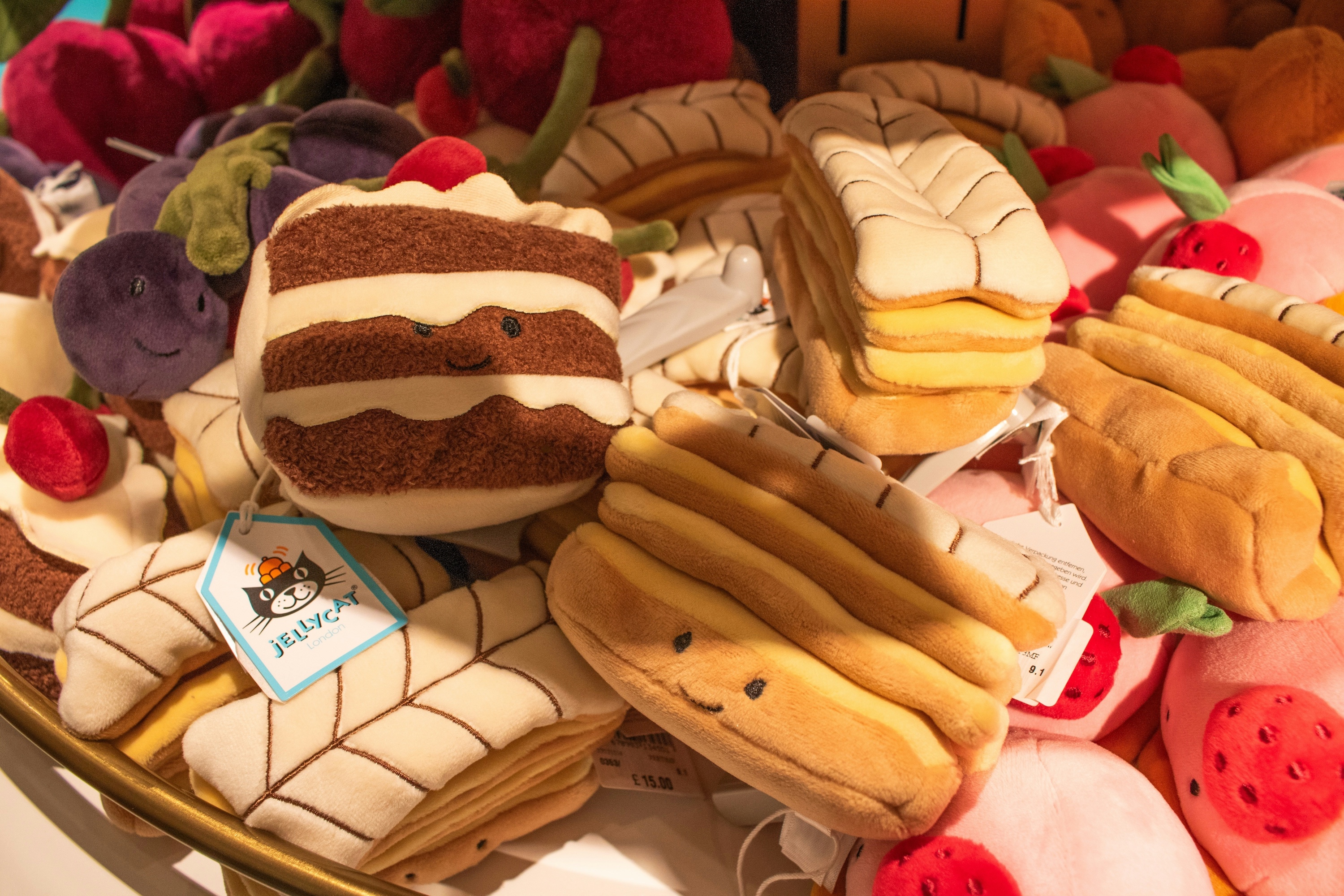
Why Are Jellycat-Inspired Imitations Becoming More Common in Hong Kong?
As a free trade hub with advanced eCommerce and cross-border logistics, Hong Kong is highly accessible to grey-market goods. Price-sensitive consumers may unknowingly buy fake items due to lower pricing and weak verification methods. This leads to:
- Diluted market share for original brands
- Declining customer trust due to counterfeit exposure
- Negative shopping experiences, lowering brand loyalty
How Can Brands Use CRM to Counteract Fakes and Protect Brand Equity?
1) Create Customer Records with Product Registration Tools
Brands can use CRM systems to log purchase history and member profiles. By adding a QR code for product registration, customers can confirm authenticity while earning membership points—a win-win for both trust and retention.
2) Monitor Unusual Sales Data to Spot Counterfeit Threats
CRM platforms offer real-time sales tracking and analytics. Brands can quickly detect irregular sales patterns or price drops—early warning signs of potential counterfeit distribution channels.
3) Strengthen Engagement & Reinforce Customer Trust
Through automated CRM workflows, brands can send regular updates on product authenticity tips, behind-the-scenes stories, and thank-you campaigns—turning education into loyalty.

How CRM Helps Hong Kong Brands Improve Conversions
Beyond anti-counterfeit measures, CRM empowers brands to drive smarter marketing and better ROI:
- Marketing Automation – Auto-trigger campaigns based on user behavior (e.g., browse history or past purchases).
- Loyalty Programs – Reward repeat buyers with exclusive perks to strengthen brand stickiness.
- Data Insights – Analyze Hong Kong-specific customer patterns to fine-tune ad targeting and messaging.
Anti-Counterfeiting Is Not the End Goal—Trust Through Data Is
The rise of Jellycat lookalikes signals a deeper challenge for Hong Kong brands: managing customer trust, not just eliminating fake goods.
CRM allows brands to turn counterfeit risk into an opportunity to strengthen customer relationships. By enabling verified purchases, personalized outreach, and reward mechanisms, brands can convert one-time buyers into loyal advocates—fueling long-term growth.
FAQ: Using CRM to Defend Brand Reputation
Q1: Can a CRM system detect counterfeit goods?
While CRM cannot verify physical authenticity, it helps trace purchase sources and analyze customer data to flag suspicious trends.
Q2: Is CRM implementation expensive for Hong Kong SMEs?
Not necessarily. Many cloud-based CRM tools offer flexible pricing based on team size or features, making them accessible to businesses of all sizes.
Q3: How can CRM enhance brand trust?
Brands can implement digital product registration and loyalty rewards. This builds post-purchase engagement, assuring customers they're supporting the authentic brand.